If you live in Las Vegas, preparing for emergencies means more than just having supplies. Getting CPR Certification and first aid training gives you the ability to respond immediately if an earthquake or other disaster occurs. In high-stress situations where emergency services may be delayed, your ability to act can make a life-saving difference.
While earthquakes are not as frequent in Las Vegas as in other parts of the country, they are still possible. When they happen, they can cause injuries, structural damage, and confusion. Being prepared with the right knowledge ensures you are not caught off guard.
Why Earthquake Preparedness Matters in Las Vegas
Las Vegas is located in a region that can experience seismic activity, even if it is not as widely discussed. Many residents assume earthquakes are not a concern, but smaller tremors and regional activity can still create dangerous situations.
During an earthquake, people may suffer injuries from falling objects, broken glass, or structural damage. Power outages and limited access to emergency services can make the situation more difficult.
This is why preparation is critical. Having first aid knowledge and CPR training allows you to respond effectively while waiting for professional help to arrive.
The Role of CPR and First Aid in Emergency Situations
In a disaster scenario, the first few minutes are the most important. Emergency responders may be delayed due to blocked roads, damaged infrastructure, or high demand for assistance.
CPR and first aid training prepare you to step in during those critical moments. You will know how to assess injuries, provide immediate care, and stabilize someone until help arrives.
CPR is especially important in situations where someone becomes unresponsive or stops breathing. First aid skills help address bleeding, fractures, burns, and other common injuries that can occur during an earthquake.
Together, these skills create a strong foundation for emergency response.
What to Expect in a First Aid and CPR Class
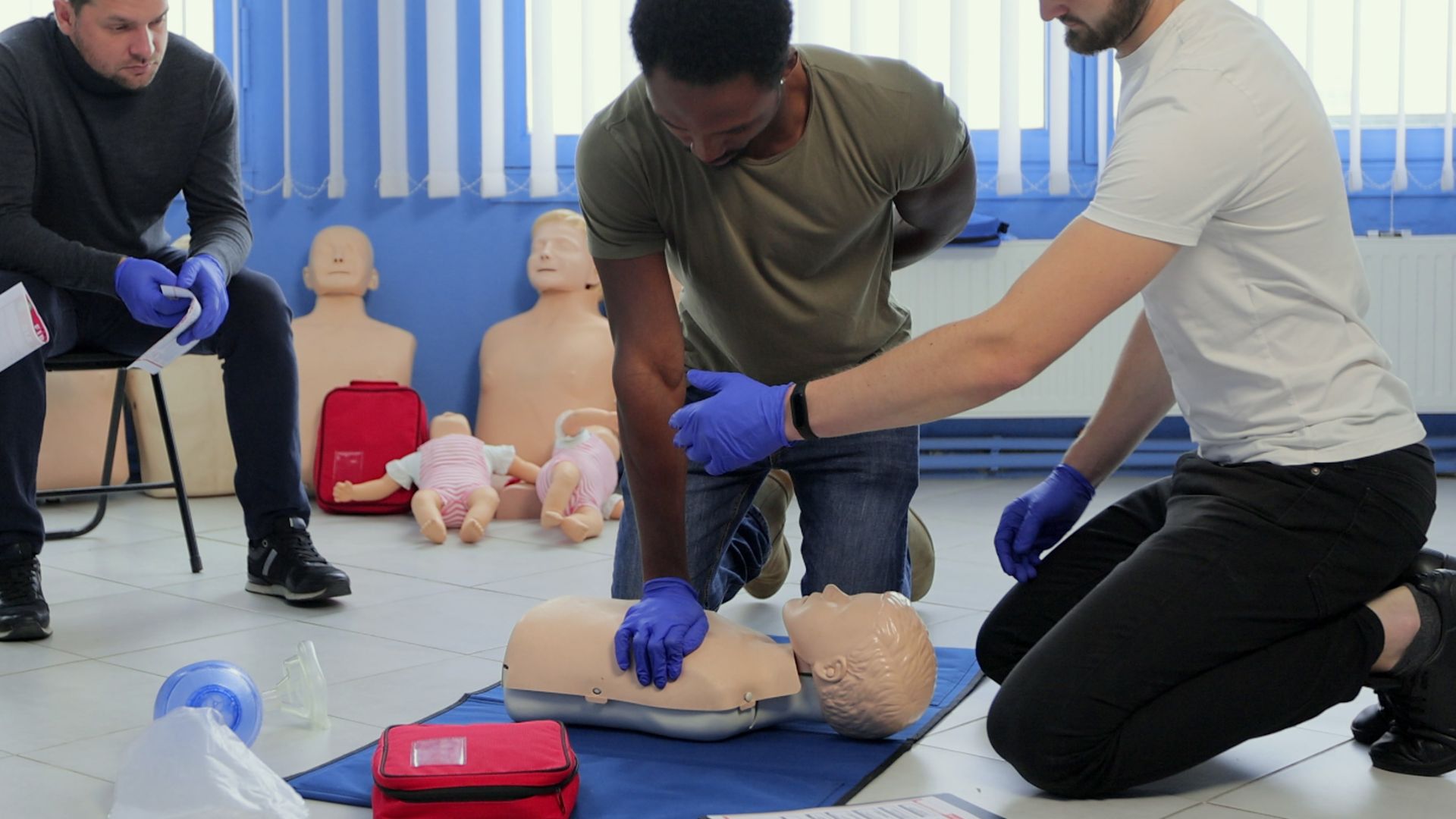
First aid and CPR classes are designed to give you both knowledge and hands-on experience. In Las Vegas, many training programs focus on real-world scenarios to help you feel confident in your ability to respond.
During training, you will learn how to:
- Perform chest compressions and rescue breaths
- Recognize signs of cardiac arrest
- Use an AED safely
- Control bleeding and apply bandages
- Respond to burns and fractures
- Help someone who is choking
Hands-on practice is a key part of the training. You will work with mannequins and participate in guided exercises that simulate emergency situations.
This type of training helps build muscle memory so you can act quickly and correctly when it matters most.
Why Hands-On Training Is Essential for Disaster Preparedness
In an emergency like an earthquake, there is no time to second guess your actions. You need to respond quickly and confidently.
Hands-on training allows you to practice the exact movements and techniques required for CPR and first aid. This makes a major difference compared to simply reading or watching videos.
When you physically perform the skills, you are more likely to remember them under pressure. You also gain a better understanding of how much force to use and how to position yourself correctly.
For Las Vegas residents, this level of preparation can be critical during a disaster when professional help may not be immediately available.
Common Injuries During Earthquakes
Understanding the types of injuries that can occur during an earthquake helps you prepare more effectively.
Some of the most common injuries include:
- Cuts and lacerations from broken glass
- Head injuries from falling objects
- Sprains and fractures from falls
- Burns from fires or electrical issues
- Breathing problems due to dust or debris
Each of these injuries requires a different type of response. First aid training teaches you how to assess the situation and provide the appropriate care.
In more severe cases, CPR may be necessary if someone becomes unresponsive or stops breathing.
How to Build an Emergency Plan for Your Household
Preparation goes beyond training. Having a clear emergency plan helps ensure everyone in your household knows what to do during an earthquake.
Your plan should include:
- Safe areas in your home to take cover
- Emergency contact information
- A meeting point if you become separated
- Access to a first aid kit and supplies
- A plan for caring for children, elderly family members, or pets
Combining a solid plan with CPR and first aid training creates a complete approach to emergency preparedness.
Emergency Supplies Every Las Vegas Home Should Have
In addition to training, having the right supplies is essential.
Consider keeping:
- A fully stocked first aid kit
- Bottled water and non-perishable food
- Flashlights and extra batteries
- A portable phone charger
- A whistle or signaling device
- Basic medical supplies like gloves and gauze
These items can help you respond quickly and effectively during an emergency.
How to Get CPR Certified in Las Vegas
Getting CPR certified in Las Vegas is a simple process that can be completed in just a few steps.
- Choose a class that includes CPR and first aid training
- Select a date and time that fits your schedule
- Attend the in-person training session
- Practice the skills with guidance from an instructor
- Receive your certification the same day
Many classes offer flexible scheduling, making it easy to find an option that works for you.
The most important factor is choosing a class that includes hands-on training so you are fully prepared.
CPR Certification Cost in Las Vegas
The cost of CPR and first aid training in Las Vegas can vary depending on the course and level of instruction. Most classes are affordable and provide significant value considering the life-saving skills you gain.
Many programs combine CPR, AED, and first aid training into one course, giving you a comprehensive set of skills in a single session.
For most people, the cost is a small investment compared to the ability to respond in an emergency.
Why Preparation Makes All the Difference
Emergencies are unpredictable, and earthquakes can happen without warning. The difference between panic and action often comes down to preparation.
When you have CPR and first aid training, you are not left guessing what to do. You have the knowledge and confidence to take control of the situation and help others.
For Las Vegas residents, this preparation can make a meaningful difference in protecting your family and community.
Final Thoughts About Earthquake Readiness in Las Vegas
Preparing for an earthquake means thinking beyond supplies and plans. It means having the skills to respond when it matters most. Getting CPR Certification and first aid training ensures you are ready to take action in a critical situation.
With hands-on training and accessible classes available in Las Vegas, there is no reason to wait. Being prepared today means you can respond with confidence and clarity when the unexpected happens.
CPR Certification FAQs
How long does CPR certification last?
CPR certification typically lasts for two years. After that, you will need to renew your certification to stay current.
How long is a CPR and first aid class?
Most classes can be completed in a single session lasting a few hours, depending on the level of training.
Do I need CPR certification for disaster preparedness?
It is not always required, but it is strongly recommended. CPR training gives you the ability to respond to life-threatening emergencies.
Can I get certified the same day?
Yes, many training centers offer same-day certification after completing the course.
What should be included in a first aid kit?
A basic first aid kit should include bandages, gauze, gloves, antiseptic wipes, and other essential medical supplies.