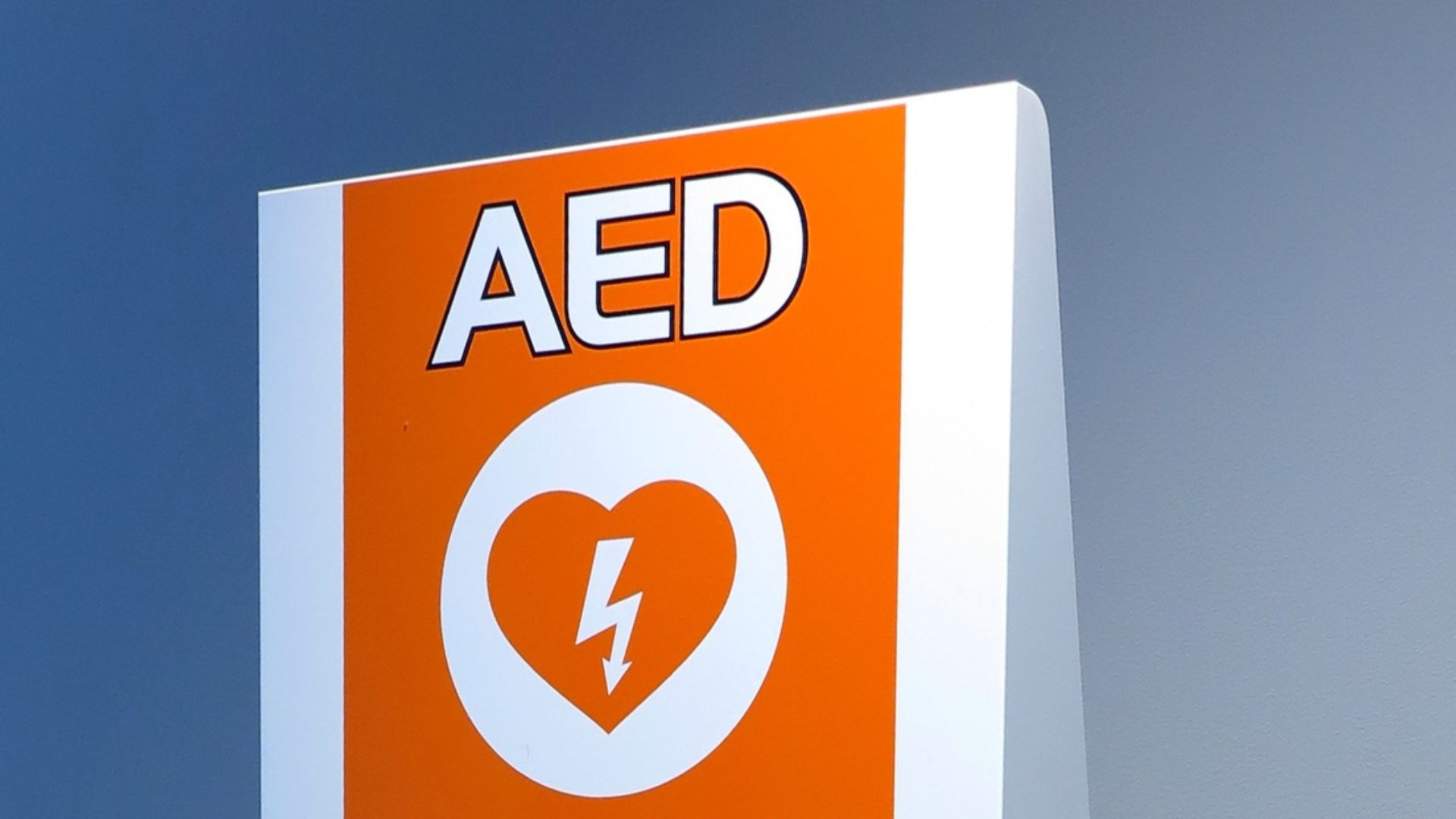
Knowing how to use CPR and an AED together can dramatically increase someone’s chance of survival during sudden cardiac arrest. When performed correctly, CPR Certification training teaches you how chest compressions and an automated external defibrillator work as a team to restore circulation and potentially restart the heart. Using both interventions quickly and confidently can make the difference between life and death in the critical first few minutes of an emergency.
Sudden cardiac arrest occurs when the heart unexpectedly stops beating effectively. Without oxygenated blood flowing to the brain and vital organs, irreversible damage can begin within minutes. CPR helps manually circulate blood, while an AED analyzes heart rhythm and delivers a shock if needed to restore a normal rhythm. Together, these two tools create a powerful lifesaving response that anyone properly trained can perform.
Understanding What Happens During Cardiac Arrest
Cardiac arrest is not the same as a heart attack. A heart attack involves blocked blood flow to part of the heart muscle, while cardiac arrest is an electrical malfunction that causes the heart to stop pumping blood effectively. When cardiac arrest occurs, the person becomes unresponsive and stops breathing normally.
Without immediate intervention, survival chances decrease by approximately 7 to 10 percent for every minute that passes without CPR or defibrillation. That is why early recognition, immediate CPR, and rapid AED use are critical.
CPR keeps blood moving through the body by manually compressing the chest. These compressions push oxygenated blood to the brain and heart. The AED then assesses whether a shockable rhythm is present and, if appropriate, delivers a controlled electrical shock that may restore normal heart rhythm.
Step One: Recognize Cardiac Arrest and Call for Help
The first step in saving a life is recognizing the emergency. If someone collapses, is unresponsive, and is not breathing normally or is only gasping, assume cardiac arrest.
Follow these actions immediately:
- Check responsiveness by tapping the person and shouting.
- Look for normal breathing.
- Call 911 or instruct someone nearby to call.
- Ask someone to retrieve an AED if available.
If you are alone and have a mobile phone, call emergency services on speaker mode so you can begin CPR immediately while communicating with dispatchers.
Acting quickly sets the stage for successful CPR and AED use. Every second matters.
Step Two: Begin High Quality CPR
Once you confirm cardiac arrest, begin chest compressions immediately.
Place the heel of one hand in the center of the chest, on the lower half of the breastbone. Place your other hand on top and interlock your fingers. Keep your arms straight and position your shoulders directly above your hands.
Push hard and fast at a rate of 100 to 120 compressions per minute. Compress the chest at least two inches deep for adults and allow full chest recoil between compressions. Minimize interruptions.
If you are trained in rescue breathing, provide 30 compressions followed by two breaths. If you are not trained or unsure, continue hands only CPR without stopping.
High quality CPR is the foundation of survival. It keeps oxygen circulating until an AED can be applied.
Step Three: Apply the AED as Soon as It Arrives
An AED should be used as soon as it becomes available. The device is designed for use by trained and untrained individuals and provides clear voice prompts.
Turn on the AED immediately. Most units power on with a single button. Expose the person’s chest and ensure it is dry. If the chest is wet, wipe it quickly.
Attach the adhesive electrode pads to the bare chest according to the diagrams on the pads. One pad typically goes on the upper right chest, and the other on the lower left side.
Once pads are attached, the AED will analyze the heart rhythm. Make sure no one is touching the person during analysis. The device will instruct you to stand clear.
If a shock is advised, ensure everyone is clear and press the shock button if prompted. Some AEDs deliver the shock automatically.
Immediately resume CPR after the shock. Do not check for a pulse unless the person begins to show signs of life.
Why CPR and AED Use Together Is So Effective
CPR and AED use complement each other. CPR maintains blood flow and oxygen delivery. The AED addresses the electrical problem causing cardiac arrest.
Chest compressions alone cannot restart the heart. Defibrillation alone cannot circulate blood. When used together quickly, survival rates increase significantly.
Immediate CPR buys time. Early defibrillation restores rhythm. Combined action within the first few minutes provides the best chance of recovery.
This is why public access AED programs in schools, airports, gyms, and workplaces are so important. When bystanders are trained and AEDs are accessible, survival outcomes improve dramatically.
Common Mistakes to Avoid During CPR and AED Use
Even with training, people may hesitate or make errors during emergencies. Awareness of common mistakes helps improve response quality.
Avoid delaying CPR while waiting for an AED. Begin compressions immediately.
Do not stop compressions for long periods. Keep interruptions as short as possible, especially during AED analysis and shock delivery.
Ensure proper pad placement. Incorrect placement may reduce effectiveness.
Make sure no one touches the person during shock delivery. Clear verbal commands such as “Everyone clear” help maintain safety.
Do not be afraid of using an AED. The device will only deliver a shock if needed. It cannot harm someone who does not require defibrillation.
Confidence comes from practice, which is why hands on training is so valuable.
Special Considerations for Children and Infants
Using CPR and an AED on children and infants follows similar principles with adjustments.
For children, use one or two hands depending on the child’s size. Compress about two inches deep or one third the depth of the chest.
For infants, use two fingers placed just below the nipple line and compress about one and a half inches deep.
If a pediatric AED setting or pads are available, use them for children under eight years old. If not available, adult pads can be used, ensuring they do not overlap.
Training in pediatric CPR prepares caregivers, teachers, and parents to respond appropriately to emergencies involving younger individuals.
How CPR Certification Training Prepares You
Proper training builds muscle memory and confidence. During CPR Certification courses, students practice chest compressions on mannequins equipped with feedback systems that measure depth and rate.
You also learn how to:
- Recognize cardiac arrest quickly
- Coordinate team response
- Use AED trainers that simulate real life prompts
- Reduce hesitation during emergencies
- Provide care until professional responders arrive
Hands on repetition reinforces correct technique. Instructors provide real time corrections to improve compression quality and efficiency.
Training environments simulate realistic scenarios so you understand how to respond under pressure. This preparation reduces panic and increases decisive action.
The Importance of Acting Quickly
Time is the most critical factor in cardiac arrest response. Brain damage can begin within four to six minutes without oxygen.
Immediate CPR doubles or triples survival rates. Rapid AED use further improves outcomes. The combination of both interventions delivered early creates the strongest chain of survival.
Even if you are unsure whether cardiac arrest has occurred, it is better to begin CPR and use the AED than to wait. The risk of harm from acting is minimal compared to the risk of inaction.
Bystanders often hesitate because they fear doing something wrong. Training helps overcome this hesitation and empowers action.
Final Thoughts on Using CPR and an AED Together
Understanding how to use CPR and an AED together gives you the power to intervene when it matters most. These two lifesaving tools work in tandem to circulate oxygenated blood and restore normal heart rhythm during sudden cardiac arrest. Through proper CPR Certification, individuals gain the hands on skills, knowledge, and confidence necessary to respond quickly and effectively in real world emergencies.
When seconds count, preparation makes the difference. Learning how to perform high quality compressions, operate an AED correctly, and continue care until professional help arrives strengthens community safety and personal confidence. By committing to CPR Certification training and staying current with renewals, you position yourself to save a life when the opportunity arises.
Emergencies are unpredictable, but your response does not have to be. Training, practice, and readiness ensure you can act decisively and potentially become the link that saves someone’s life.
Frequently Asked Questions
Can I use an AED without formal medical training?
Yes. AEDs are designed for use by the general public. The device provides step by step voice instructions and will only deliver a shock if necessary.
Should I perform CPR before using an AED?
Begin CPR immediately after recognizing cardiac arrest. Apply the AED as soon as it becomes available, then resume CPR immediately after any shock is delivered.
What if I am afraid of hurting the person during CPR?
It is better to perform CPR than to do nothing. Proper chest compressions may cause rib discomfort or injury, but the priority is restoring circulation and preserving life.
How often should I renew my CPR certification?
CPR certification is typically valid for two years. Renewal courses refresh your skills and update you on current guidelines to ensure continued competence.