Las Vegas is known for its world-famous entertainment, but beyond the city lights lies a vast landscape filled with outdoor adventure opportunities. Residents and visitors regularly explore desert trails, mountain recreation areas, parks, and scenic destinations throughout Southern Nevada. Whether hiking near Red Rock Canyon, spending time in the Spring Mountains, or participating in outdoor fitness activities, emergencies can happen when people least expect them.
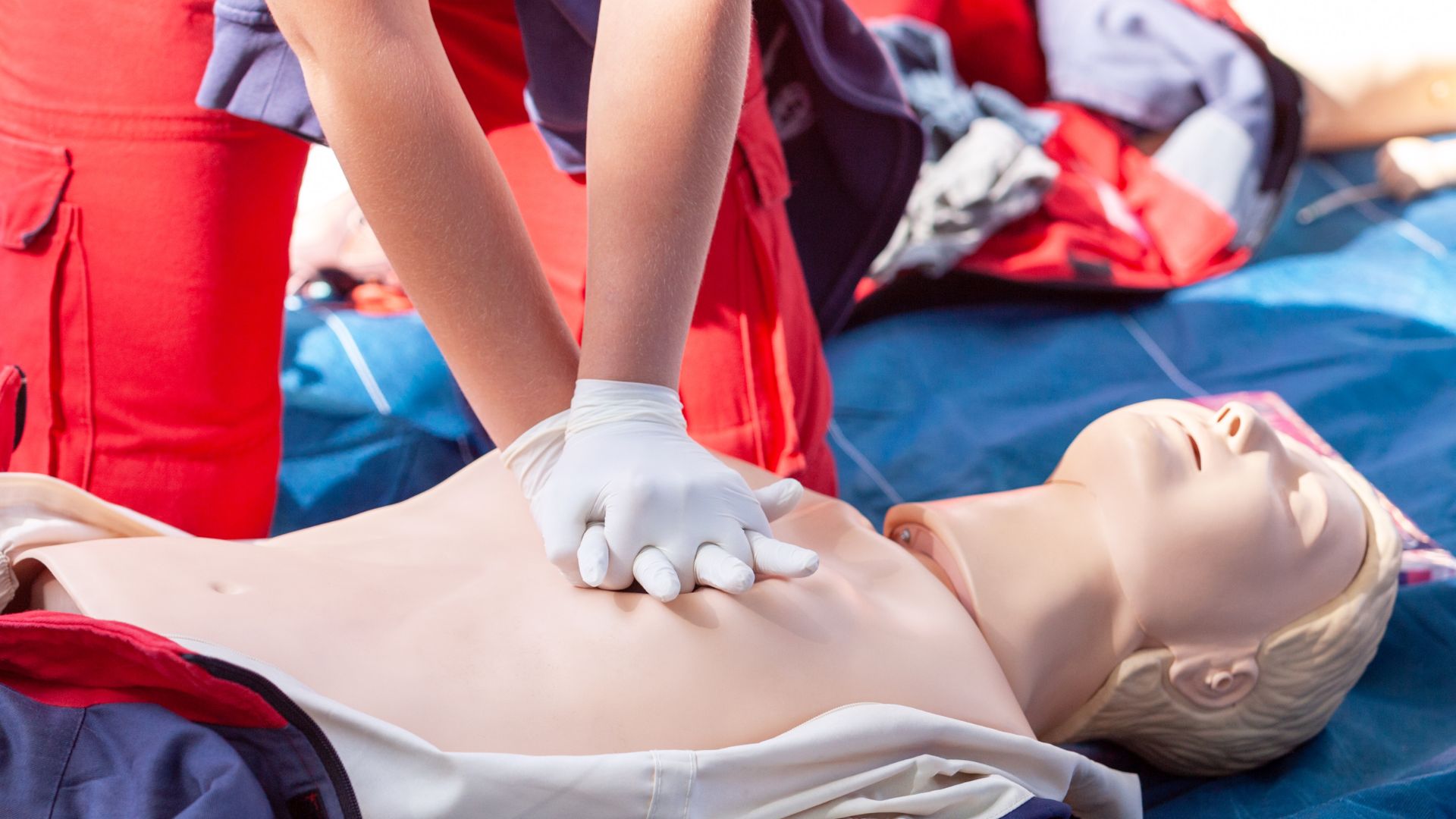
Outdoor environments often present unique challenges that require quick thinking and proper preparation. Medical assistance may not always be immediately available, particularly in remote areas where emergency response times can be longer than in urban settings. Understanding basic first aid principles and emergency response techniques can help individuals provide assistance while waiting for professional help. For many people, enrolling in a CPR Certification course is a practical way to gain the knowledge and confidence needed to respond during unexpected emergencies in outdoor environments.
Why Outdoor Emergency Preparedness Matters in Las Vegas
The Las Vegas area offers a diverse range of outdoor activities throughout the year. Hiking, mountain biking, rock climbing, camping, trail running, and sightseeing attract both locals and tourists looking to experience Nevada’s natural beauty.
While outdoor recreation provides numerous benefits, it also introduces potential hazards that may not exist in more controlled environments. Factors such as extreme temperatures, rugged terrain, elevation changes, wildlife encounters, and limited access to emergency services can increase the seriousness of certain situations.
Preparation is one of the most effective ways to reduce risk. Knowing how to recognize emergency situations and respond appropriately can help individuals stay calm and make informed decisions when problems arise.
Common Outdoor Emergencies in Southern Nevada
Outdoor emergencies can range from minor injuries to life-threatening medical situations. Understanding the types of incidents that commonly occur in desert and mountain environments can help individuals better prepare for their adventures.
Some of the most common outdoor emergencies include:
- Heat exhaustion
- Heat stroke
- Dehydration
- Falls and traumatic injuries
- Sprains and fractures
- Cardiac emergencies
- Allergic reactions
- Snake bites
- Altitude-related issues
- Getting lost or stranded
Each of these situations presents unique challenges that may require different first aid considerations and emergency response strategies.
Understanding the Risks of Desert Heat
One of the most significant outdoor hazards in the Las Vegas region is extreme heat. Temperatures can climb rapidly during the spring and summer months, creating dangerous conditions for anyone spending extended periods outdoors.
Many visitors underestimate how quickly dehydration and heat-related illnesses can develop. Even experienced hikers and outdoor enthusiasts can find themselves in trouble if they fail to prepare properly.
Early symptoms of heat-related illness may include fatigue, dizziness, headache, excessive sweating, nausea, and muscle cramps. As conditions worsen, individuals may become confused, disoriented, or unresponsive.
Recognizing these warning signs early can help prevent more serious complications. Taking frequent breaks, staying hydrated, and avoiding peak afternoon temperatures are important safety measures for anyone exploring Southern Nevada’s outdoor spaces.
Mountain Recreation Brings Different Challenges
While many people associate Las Vegas with desert landscapes, nearby mountain areas provide cooler temperatures and popular recreational opportunities. Destinations such as the Spring Mountains attract hikers, campers, and outdoor enthusiasts throughout the year.
Mountain environments present a different set of challenges than desert terrain. Steep trails, rocky surfaces, sudden weather changes, and higher elevations can increase the risk of injury.
Common mountain-related emergencies include:
- Falls on uneven terrain
- Slips during wet or icy conditions
- Altitude discomfort
- Hypothermia during colder months
- Navigation difficulties
Individuals venturing into mountain areas should understand that weather conditions can change rapidly, particularly during seasonal transitions.
First Aid for Hiking Injuries
Hiking is one of the most popular outdoor activities around Las Vegas. While most hikes are completed safely, injuries can occur on even well-maintained trails.
Cuts, scrapes, blisters, and sprains are among the most common injuries experienced by hikers. Having access to a basic first aid kit and understanding how to use its contents can help manage these situations effectively.
Important first aid supplies often include:
- Adhesive bandages
- Gauze pads
- Medical tape
- Antiseptic wipes
- Elastic wraps
- Gloves
- Hydration supplies
- Emergency blankets
Carrying appropriate supplies and knowing how to respond to common injuries can improve safety during outdoor excursions.
Cardiac Emergencies in Remote Areas
Although many people associate cardiac emergencies with urban settings, they can occur anywhere. Hiking trails, campgrounds, parks, and recreation areas are no exception.
Physical exertion, high temperatures, dehydration, and underlying medical conditions may increase the likelihood of certain medical emergencies occurring outdoors.
One of the challenges of responding to a cardiac emergency in a remote location is the potential delay in emergency medical services arriving on scene. This makes early recognition and prompt action especially important.
Knowing how to assess responsiveness, contact emergency services, and provide assistance while awaiting responders can help individuals feel more prepared during these critical situations.
Wildlife and Environmental Hazards
Southern Nevada is home to a variety of wildlife species. While encounters are relatively uncommon, hikers and outdoor enthusiasts should understand how to minimize risks and respond appropriately if an incident occurs.
Potential environmental hazards include:
- Venomous snakes
- Insects and stinging animals
- Thorny vegetation
- Loose rock surfaces
- Flash flooding in certain areas
- Sudden weather changes
Awareness and prevention remain the best defenses against many outdoor hazards. Staying on designated trails and paying attention to surroundings can help reduce risk.
The Importance of Communication During Outdoor Emergencies
Communication becomes especially important when emergencies occur in remote locations. Unlike urban environments where assistance may be readily available, outdoor settings often require additional planning.
Before heading outdoors, individuals should consider:
- Informing someone of their plans
- Carrying a charged mobile device
- Knowing trail routes
- Understanding local weather forecasts
- Identifying emergency access points
These simple precautions can help emergency responders locate individuals more quickly if assistance becomes necessary.
Why Outdoor Enthusiasts Benefit from CPR Training
Outdoor recreation often takes place in environments where immediate professional medical assistance may not be available. For this reason, many hikers, campers, climbers, guides, coaches, and adventure enthusiasts choose to pursue CPR and first aid training.
Training provides valuable knowledge regarding emergency recognition, scene assessment, and response priorities. Participants gain confidence through hands-on learning experiences that prepare them to respond more effectively during unexpected situations.
While no one expects an emergency to occur during a recreational outing, being prepared can provide peace of mind and improve readiness.
Emergency Planning Before Every Adventure
One of the most overlooked aspects of outdoor safety is planning. Many emergencies become more manageable when individuals take proactive steps before leaving home.
Preparation may include evaluating weather conditions, bringing sufficient water, wearing appropriate clothing, carrying navigation tools, and reviewing emergency procedures.
A simple safety plan can significantly reduce risk and help individuals respond more effectively when unexpected challenges arise.
Staying Prepared for Las Vegas Outdoor Adventures
Las Vegas offers incredible opportunities for outdoor recreation, from desert exploration to mountain adventures. While these experiences provide enjoyment and unforgettable scenery, they also come with unique risks that require preparation and awareness. Understanding first aid principles, recognizing emergency situations, and developing response skills can help outdoor enthusiasts stay safer while enjoying Southern Nevada’s natural landscapes. Whether you regularly explore local trails or are planning your first outdoor adventure, taking a CPR Certification class can help build the confidence and preparedness needed to respond when emergencies occur far from immediate medical assistance.
Frequently Asked Questions About First Aid and CPR for Outdoor Emergencies
What are the most common outdoor emergencies in the Las Vegas area?
Heat-related illnesses, dehydration, falls, sprains, fractures, and cardiac emergencies are among the most common outdoor incidents experienced by hikers and outdoor enthusiasts in Southern Nevada.
Why is dehydration such a concern in the desert?
High temperatures and low humidity can cause the body to lose fluids quickly. Individuals may become dehydrated before realizing how much water they have lost, particularly during strenuous activities.
Should I carry a first aid kit when hiking?
Yes. Even on shorter hikes, carrying basic first aid supplies can help you manage minor injuries and provide assistance while awaiting professional care if necessary.
Can cardiac emergencies happen during outdoor recreation?
Yes. Cardiac emergencies can occur during physical activity, particularly when factors such as heat, dehydration, or underlying medical conditions are involved.
What should I do before heading into a remote outdoor area?
Review weather conditions, bring adequate water, carry communication devices, inform someone of your plans, and familiarize yourself with the route and emergency access points.
Who should consider taking CPR and first aid training?
Outdoor enthusiasts, hikers, campers, coaches, guides, parents, teachers, and anyone interested in emergency preparedness can benefit from CPR and first aid education.