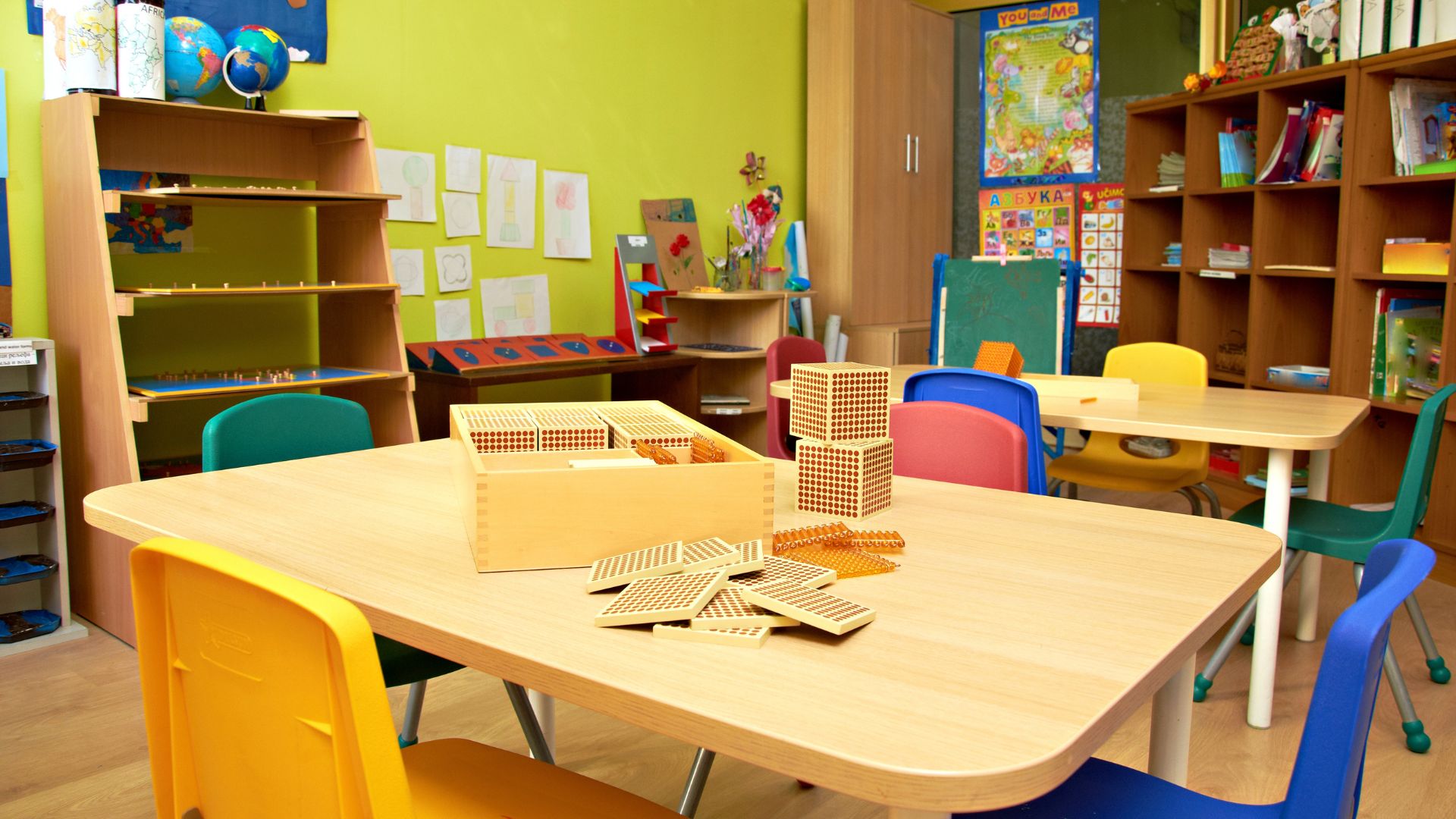
Every day, thousands of children across Las Vegas attend schools, preschools, and daycare centers where teachers, administrators, and caregivers are entrusted with their safety and well-being. While educational environments are designed to be safe and supportive, medical emergencies can happen without warning. Choking incidents, allergic reactions, asthma attacks, playground injuries, and sudden cardiac emergencies all require immediate action before emergency medical services arrive.
For educators and childcare professionals, CPR training is more than a valuable skill. It is an important part of creating a secure environment where children can learn and grow. Through CPR Certification, Las Vegas school and daycare staff can develop the hands-on skills and confidence needed to respond effectively when every second matters.
Learning CPR and basic emergency response techniques helps protect students, supports workplace safety, and gives parents greater peace of mind knowing their children are in capable hands.
Children Can Experience Medical Emergencies Anywhere
Many people associate CPR with hospitals or ambulances, but pediatric emergencies often happen during normal daily activities.
Common situations include:
- Classroom activities
- Recess and playground time
- Lunch periods
- Physical education classes
- Field trips
- Daycare play sessions
- School sporting events
Children are naturally active and curious, which can sometimes lead to unexpected accidents or medical emergencies.
Having CPR-trained staff nearby helps ensure immediate assistance is available while emergency responders are on the way.
Choking Is One of the Most Common School Emergencies
Young children are especially vulnerable to choking because of their smaller airways and developing eating habits.
Common choking hazards include:
- Grapes
- Hard candy
- Popcorn
- Small toys
- Coins
- Pieces of classroom supplies
Teachers and daycare providers who know CPR also learn age-appropriate choking response techniques that can help clear an airway quickly and safely.
Rapid intervention during a choking emergency may prevent a life-threatening situation from becoming even more serious.
CPR for Children Is Different From Adult CPR
Many adults are surprised to learn that CPR techniques vary depending on the victim’s age.
Infant and child CPR involve different:
- Hand placement
- Compression depth
- Compression force
- Rescue breathing techniques
- Choking relief procedures
Hands-on instruction through CPR Certification allows teachers and caregivers to practice these specialized techniques using training manikins designed for pediatric emergencies.
Practical experience helps build confidence that cannot be gained by simply watching videos online.
Allergic Reactions Require Fast Action
Food allergies have become increasingly common among school-age children.
Common allergens include:
- Peanuts
- Tree nuts
- Milk
- Eggs
- Shellfish
- Certain medications
A severe allergic reaction may quickly lead to difficulty breathing or loss of consciousness.
CPR and First Aid training help school staff recognize the warning signs of anaphylaxis and understand the importance of activating emergency medical services immediately.
Asthma Emergencies Can Develop Quickly
Many students attend school with asthma or other respiratory conditions.
An asthma attack may include:
- Wheezing
- Shortness of breath
- Persistent coughing
- Chest tightness
- Difficulty speaking
While schools often have emergency action plans for students with asthma, CPR-trained staff members are better prepared to recognize when a breathing emergency is becoming critical.
Early intervention can help stabilize a child until advanced medical care arrives.
Playground Injuries Can Become Serious
Playgrounds encourage physical activity, but accidents sometimes happen.
Common injuries include:
- Falls
- Head injuries
- Broken bones
- Cuts and scrapes
- Loss of consciousness
Although many injuries are minor, some situations require immediate emergency response.
CPR and basic First Aid training help staff members assess the situation, monitor breathing, and provide appropriate care while waiting for paramedics.
Every Minute Counts During Cardiac Arrest
Although cardiac arrest is less common in children than adults, it can still occur because of:
- Congenital heart conditions
- Drowning incidents
- Severe trauma
- Choking
- Respiratory emergencies
The American Heart Association explains that immediate CPR can double or even triple a person’s chance of survival following cardiac arrest.
Because many pediatric cardiac arrests begin with breathing problems, early CPR by trained bystanders plays a critical role in improving outcomes.
Daycare Providers Often Become First Responders
Infants and toddlers spend many hours each day in daycare environments.
Caregivers may encounter emergencies involving:
- Choking
- Falls
- Allergic reactions
- Breathing difficulties
- Seizures
Unlike parents, daycare staff may be responsible for multiple children at once, making emergency preparedness especially important.
Training through CPR Certification helps childcare professionals develop the confidence needed to respond calmly under pressure.
AED Training Strengthens School Safety
Automated External Defibrillators are becoming increasingly common in schools and public facilities.
Many Las Vegas schools now have AEDs available for emergency use.
CPR courses often include instruction on how to:
- Turn on the AED
- Apply the electrode pads
- Follow voice prompts
- Continue CPR after a shock
The American Heart Association notes that immediate CPR combined with AED use can significantly improve survival during sudden cardiac arrest.
CPR Training Builds Confidence
One of the biggest obstacles during emergencies is uncertainty.
Without training, many people may:
- Panic
- Freeze
- Forget important steps
- Wait for someone else to act
Hands-on CPR classes provide repeated opportunities to practice emergency scenarios.
Students work through:
- Infant CPR
- Child CPR
- Adult CPR
- Choking response
- AED operation
This practical experience helps build muscle memory and confidence that can make a tremendous difference during real emergencies.
Parents Appreciate CPR-Trained Staff
Families trust schools and daycare centers to care for their children every day.
Knowing that teachers and caregivers have CPR certification provides additional peace of mind.
Parents often feel more comfortable knowing staff members are prepared to respond to:
- Choking incidents
- Allergic reactions
- Playground accidents
- Cardiac emergencies
- Breathing problems
A commitment to CPR education demonstrates that a school or daycare values student safety.
CPR Skills Extend Beyond the Classroom
Many educators and childcare professionals discover that CPR training benefits them outside of work as well.
These skills may one day help:
- Family members
- Friends
- Neighbors
- Community members
- Complete strangers
The American Heart Association estimates that hundreds of thousands of cardiac arrests occur outside hospitals each year, making bystander CPR an essential community skill.
Hands-On Training Makes a Lasting Difference
Reading about CPR online can provide basic knowledge, but physical practice helps create true preparedness.
Hands-on classes allow participants to:
- Practice chest compressions
- Learn proper hand placement
- Perform rescue breaths
- Use an AED
- Receive instructor feedback
Practical experience helps improve long-term retention and prepares school and daycare staff to act confidently during emergencies.
CPR Training Creates Safer Schools and Daycares
Every CPR-certified teacher, administrator, and caregiver strengthens the overall safety of a learning environment.
As more staff members receive training:
- Students gain additional protection.
- Emergency response improves.
- Parents gain confidence.
- Schools strengthen their safety culture.
Preparing for emergencies helps create a healthier and more secure environment where children can thrive.
Final Thoughts About CPR Training for Las Vegas Schools & Daycares
Children depend on the adults around them to keep them safe, especially during unexpected emergencies. Choking incidents, allergic reactions, playground injuries, and breathing emergencies can happen without warning, making immediate bystander action incredibly important.
Through CPR Certification, Las Vegas teachers and daycare providers can gain the hands-on skills and confidence needed to perform CPR, respond to choking emergencies, and use an AED when necessary. Investing in CPR training not only helps protect students but also strengthens schools, supports families, and creates a safer community for everyone.
Frequently Asked Questions About CPR Training for Las Vegas Schools & Daycares
Why should teachers and daycare providers learn CPR?
Teachers and caregivers may be the first adults available to help during choking incidents, allergic reactions, or other medical emergencies.
Is child CPR different from adult CPR?
Yes. Child and infant CPR use different compression depths, hand placement, and rescue breathing techniques than adult CPR.
Does CPR training include choking response?
Yes. Most CPR courses teach age-appropriate choking relief techniques for infants, children, and adults.
Do schools have AEDs?
Many schools and public facilities now have Automated External Defibrillators available for emergency use.
Why is hands-on CPR training important?
Hands-on practice helps participants build confidence and muscle memory that can be critical during real emergencies.
Can daycare workers benefit from CPR certification?
Absolutely. Daycare providers regularly care for infants and young children who may experience choking or breathing emergencies.
How long does CPR certification typically last?
Most CPR certifications remain valid for two years before renewal is recommended or required.
Can CPR skills help outside of school or daycare?
Yes. CPR training prepares individuals to respond to emergencies involving family members, friends, neighbors, and members of the community.