In the critical moments when life hangs in the balance, knowing how to respond can make all the difference. When it comes to emergencies like cardiac arrest and stroke, quick and informed action is not just beneficial, it is essential. Understanding the basics of CPR and recognizing the signs of a stroke can empower individuals to act decisively, potentially saving lives and preserving brain health. In this post, we will delve into the importance of these immediate actions and provide insights into how prompt intervention can influence outcomes. Whether you are a healthcare professional, a caregiver, or simply someone eager to be prepared, the knowledge you gain here could be invaluable. For more detailed guidelines on CPR techniques, visit the American Red Cross website. Stay with us as we explore the critical steps you can take to protect brain health in the face of emergencies.
Understanding the Connection Between CPR and Stroke
Understanding the intricate relationship between CPR and stroke can enhance your ability to respond effectively during critical emergencies. Here, we outline five key points that illustrate this connection and underscore the importance of swift action in preserving life and brain health:
1. Recognizing the Signs
Early recognition of stroke symptoms,such as sudden numbness, confusion, or trouble speaking,can be lifesaving. Similarly, identifying cardiac arrest is crucial for initiating CPR. Both require immediate attention to minimize damage and maximize recovery potential.
2. The Role of Oxygen
CPR serves a vital function in maintaining blood flow and oxygen supply to the brain during cardiac arrest. This is critical because, in both cardiac arrest and stroke scenarios, uninterrupted oxygen delivery can significantly influence outcomes.
3. Time is Brain
Every second counts when responding to a stroke or cardiac arrest. Prompt CPR can buy precious minutes, preserving brain function until professional medical help arrives. This swift intervention can be the difference between life and death.
4. Empowering the Bystander
Empowered bystanders equipped with CPR training from organizations like CPR Las Vegas can make an enormous difference. They become the critical first responders who bridge the gap between the onset of symptoms and professional medical care.
5. The Chain of Survival
Both CPR and stroke interventions are part of the “chain of survival.” This concept emphasizes the importance of early recognition, immediate CPR, rapid EMS response, and advanced medical care,each link strengthening the potential for a positive outcome.
For more detailed insights and training opportunities, consider reaching out to CPR Las Vegas, where their programs are designed to equip you with the necessary skills to respond effectively in emergencies.
Recognizing Stroke Symptoms and When to Act
Recognizing stroke symptoms quickly can dramatically impact the effectiveness of any intervention. Here, we detail five critical symptoms that demand immediate action and how they tie into the broader emergency response strategy:
1. Sudden Numbness or Weakness
Often affecting one side of the body, sudden numbness or weakness in the face, arm, or leg is a hallmark of a stroke. Acting swiftly is crucial as this symptom signals the urgent need for medical evaluation. By recognizing it early, you can expedite the delivery of care, aligning with the “time is brain” principle discussed earlier.
2. Confusion and Speech Difficulties
Speech difficulties, such as slurred speech or an inability to understand, are alarming signs. Immediate action is essential to minimize the impact on brain function. Quick intervention through recognizing these signs supports the chain of survival by ensuring rapid EMS response.
3. Visual Disturbances
Experiencing sudden trouble seeing in one or both eyes can indicate a stroke. This symptom requires fast action to prevent further complications. Ensuring bystanders are aware of this sign can enhance the collective response capability, empowering them to act decisively.
4. Sudden Severe Headache
A sudden, severe headache with no known cause is a critical symptom that should never be ignored. Prompt recognition and response can make a significant difference, potentially preserving brain health and improving recovery outcomes. This underscores the importance of early recognition as part of the survival chain.
5. Trouble Walking and Loss of Balance
Difficulty walking, dizziness, or loss of balance or coordination are signs that necessitate immediate attention. Acting on these symptoms quickly can help bridge the gap between symptom onset and advanced medical care, reinforcing the role of empowered bystanders in emergency situations.
For more comprehensive information on stroke symptoms and CPR training, visit the American Stroke Association and American Red Cross websites. These resources offer valuable insights and training to further prepare you for emergencies.
Effective CPR Techniques for Stroke Emergencies
In scenarios where every second matters, mastering effective CPR techniques is crucial, even in the context of stroke emergencies. While CPR is traditionally associated with cardiac arrest, its role can also extend to stroke situations, especially when cardiac complications are present. Here, we explore the techniques that can enhance your response capability, reinforcing the critical link between CPR and stroke intervention.
The Importance of Chest Compressions
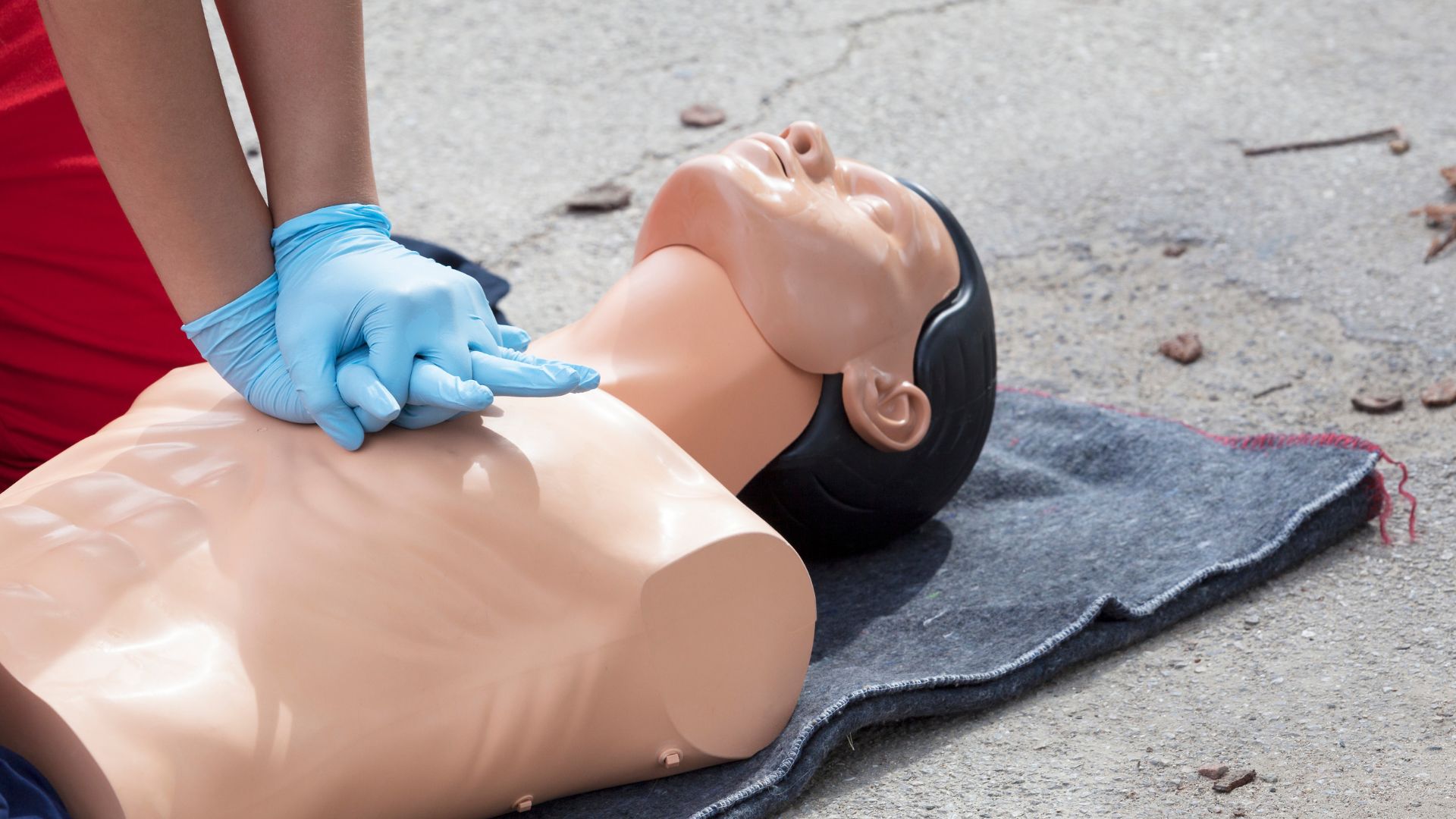
High-quality chest compressions are the cornerstone of effective CPR. By maintaining a steady rhythm and allowing full chest recoil, you help sustain vital blood flow to the brain and heart. This technique is pivotal, as it aligns with the “time is brain” principle, providing essential oxygenation during critical moments until advanced help arrives.
Incorporating Rescue Breaths
While chest compressions are paramount, incorporating rescue breaths can enhance the effectiveness of CPR, particularly if trained in this technique. Ensuring oxygen delivery complements the compressions, maximizing the potential to preserve brain function,a key consideration in both cardiac arrest and stroke emergencies.
Hands-Only CPR
In cases where rescue breaths are not feasible, hands-only CPR is a valuable alternative. This approach is accessible and effective, empowering bystanders to act swiftly without hesitation. By focusing solely on compressions, you contribute to the chain of survival, bridging the gap until professional medical care is available.
Utilizing Automated External Defibrillators (AEDs)
Integrating AED usage with CPR can significantly enhance outcomes in emergencies where cardiac arrest coincides with stroke symptoms. AEDs are designed for ease of use, providing step-by-step guidance to deliver a shock if necessary. Their availability and correct use can be game-changers in emergency response.
Continuous Training and Confidence Building
Regular CPR training boosts confidence and proficiency, ensuring readiness during emergencies. Organizations like CPR Las Vegas offer comprehensive programs tailored to equip individuals with the skills necessary for effective intervention. Staying updated with the latest techniques is crucial, as it enhances the community’s overall emergency response capability.
For more information on CPR training and techniques, visit the American Red Cross and CPR Las Vegas websites. These resources offer valuable insights to ensure you are prepared to act decisively when seconds count.
Preventing Brain Damage Through Immediate Response
In the critical moments following a stroke or cardiac arrest, immediate response is key to preventing brain damage. Here, we outline five essential actions that can make all the difference in preserving brain health and improving recovery outcomes:
1. Swift Recognition and Action
As highlighted earlier, recognizing the symptoms of a stroke or cardiac arrest quickly is imperative. Whether it’s sudden numbness or confusion, acting without delay aligns with the “time is brain” principle. Immediate response can prevent further brain injury, underscoring the importance of early intervention.
2. Initiating CPR Promptly
Applying CPR techniques immediately can preserve brain function by ensuring continued oxygen supply. As discussed, maintaining chest compressions is crucial in the event of cardiac arrest, which can often accompany stroke situations. This action not only buys time but also supports the chain of survival, bridging the gap to professional care.
3. Utilizing AEDs Effectively
Automated External Defibrillators (AEDs) can play a vital role when cardiac complications arise alongside stroke symptoms. These devices offer guidance on delivering a shock, if needed, and their quick deployment can significantly boost survival rates. Knowing their location and usage is critical for effective intervention.
4. Coordinating with Emergency Services
Contacting emergency medical services immediately ensures that advanced care is on the way. This step is a crucial link in the chain of survival, facilitating rapid medical intervention. Providing clear information about the victim’s condition can expedite the response and tailor the care provided on arrival.
5. Continuous Education and Awareness
Regular training and staying informed about the latest CPR and stroke response techniques enhance readiness. Programs from CPR Las Vegas and similar organizations provide valuable skills that empower individuals to act decisively in emergencies. Continuous education ensures that more bystanders are prepared to step in confidently, reinforcing the community’s emergency response capacity.
For further resources on CPR and stroke response techniques, visit the American Red Cross website. Their training can enhance your ability to protect brain health when every second counts.
Conclusion
In moments of critical medical emergencies, such as cardiac arrest and stroke, the importance of swift and informed action cannot be overstated. Throughout this post, we have explored the vital role that recognizing symptoms and implementing CPR can play in preserving brain health and saving lives. From understanding the connection between CPR and stroke to mastering effective CPR techniques, each step strengthens the chain of survival.
Acting quickly by recognizing symptoms like sudden numbness or severe headaches, and effectively utilizing CPR techniques, including chest compressions and AEDs, can significantly alter outcomes. Empowering bystanders through education and regular training enhances community readiness, ensuring more individuals are prepared to act decisively when seconds count.
We invite you to take the next step in becoming an empowered first responder by engaging with training programs offered by CPR Las Vegas. Their comprehensive courses are designed to equip you with the skills necessary to act effectively during emergencies. Visit their website or contact them directly to learn more about how you can make a difference when it matters most.
Frequently Asked Questions
What are the immediate steps to take when someone is having a stroke?
Immediate recognition of stroke symptoms is crucial for effective intervention. Key steps include identifying signs such as sudden numbness, confusion, or trouble speaking. Once these are recognized, call emergency medical services immediately to ensure rapid response. While waiting for help, keep the person safe and comfortable, ensuring they are in a position that promotes easy breathing. If the person loses consciousness and isn’t breathing, be prepared to perform CPR.
How does CPR help in maintaining brain health during a stroke?
CPR is essential in maintaining blood flow and oxygen supply to the brain, especially if a stroke is accompanied by cardiac arrest. By performing high-quality chest compressions, you help sustain vital blood flow, crucial for preserving brain function. This aligns with the “time is brain” principle, where every second counts in preventing further brain damage. While CPR is primarily for cardiac arrest, its role in emergencies that involve strokes can be significant when cardiac complications arise. For CPR techniques, visit the American Red Cross.
Why is it crucial to act quickly during a stroke?
Acting quickly during a stroke is imperative because the phrase “time is brain” highlights that every second without medical intervention can lead to irreversible brain damage. Immediate action, such as recognizing symptoms and contacting emergency services, helps minimize the impact on brain health and increases the chances of a positive recovery. Swift intervention supports the chain of survival, ensuring that the person receives rapid EMS response and advanced medical care. Educating oneself on stroke symptoms can significantly enhance readiness to act quickly.
When should CPR be administered to a stroke victim?
CPR should be administered to a stroke victim if they experience a cardiac arrest during the stroke event. This involves checking for responsiveness and normal breathing. If the person is unresponsive and not breathing or only gasping, initiate CPR immediately. Providing chest compressions helps maintain blood circulation and oxygen flow to the brain and heart, which is vital in preserving brain function until professional help arrives. In the context of strokes, CPR becomes critical when cardiac complications are present. Stay informed with resources from American Red Cross.